






We champion a comprehensive ‘whole child’ approach, recognizing the interconnected needs of children and youth worldwide to ensure their safety, well-being, and opportunity to thrive.
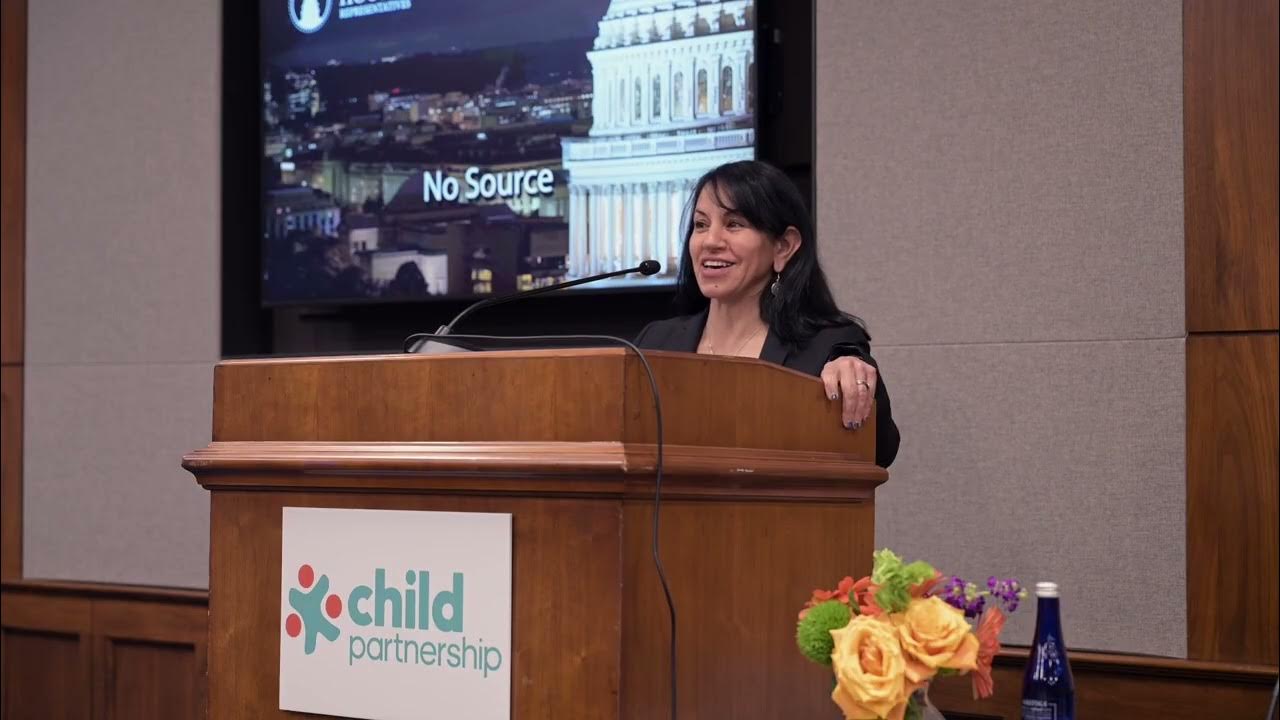
On March 19, something rare happened on Capitol Hill: 135 people gathered not to argue, but to listen to experts, leaders, and children.
The Child Partnership organized The State of the World’s Children, a lunch briefing featuring Special Envoy Harder, executives from major international NGOs, private-sector leaders, staffers from congressional offices, and four young people, ages 7 to 22. One of Special Envoy Harder’s first public engagements with the Hill, the event also marked the formal launch of the Child Partnership, a growing coalition of organizations committed to the well-being of children and youth around the world.
Children are the future of the world, but they also are the present. Their well-being is essential to the safety and the security and the prosperity of the entire world.
-U.S. Special Envoy for Best Future Generations Charles Harder
Speakers represented a cross-section of sectors, including nutrition, education, online safety, health, child protection, trafficking, and child labor, and leading organizations such as ChildFund International, World Vision US, International Justice Mission, Global Campaign for Education-US, Futures Without Violence, First Focus on Children, Georgetown’s Collaborative on Global Children’s Issues, and Humanity United. Together, they painted an honest picture of the ongoing, multifaceted challenges facing children in low- and middle-income countries, along with concrete solutions grounded in a whole child approach. The whole child approach is common sense: recognize the critical, interconnected needs of children and youth everywhere. By addressing education, nutrition, health, and livelihoods across all life stages and engaging families, schools, and communities as vital support systems- we can ensure children reach their full potential. Applied to U.S. foreign assistance, this means integrating programs, policies, and funding around the whole child’s life, not just one piece of it. Throughout the briefing, speakers drew on real stories of real children to make the policy case visceral and clear. Held at the height of the congressional appropriations season, the briefing underscored how little federal funding has traditionally reached programs for children and what’s at stake when that investment disappears. Speakers connected child-focused programming directly to current U.S. Government priorities: statecraft, locally-owned development, and partnership agreements. Investing in children, they argued, is not charity. It is strategy. The event was intentionally bipartisan because the well-being of the world’s children is not a partisan issue.

No moment captured the spirit of the day better than Leila Milani with Futures Without Violence’s challenge to the room:
"Where's the village?...This is the village. We ARE the village. And we all have to work together."
That's the premise the Child Partnership was built on. When governments, INGOs, the private sector, and academia stop working in parallel and start working together, children's lives change.
The village showed up on March 19. Now we get to work.
We are a collective of passionate individuals and dedicated non-governmental organizations driven by a common purpose: to create lasting positive change in the lives of children and youth worldwide. By prioritizing their essential needs and investing strategically in their future, we are building a brighter world, together.


Child Partnership is dedicated to fostering the holistic well-being of children and youth globally. Recognizing the unprecedented challenges they face – from conflict and extreme weather to lack of access to essential services – we advocate for a comprehensive “whole child” approach. We believe that by addressing their interconnected needs, including safety, education, health, and opportunities for growth, we can empower this generation and build a more secure and promising future for all.
Our world is facing a convergence of crises, placing an unprecedented burden on today’s children and youth – the largest generation in history. From conflict and extreme weather to economic instability and health emergencies, their well-being and future are profoundly at risk. Alarmingly, despite the clear benefits of investing in young people, U.S. foreign assistance funding for programs that directly support them has been declining in recent years. The health, well-being, and economic security of an entire generation hang in the balance, demanding immediate and coordinated action.
We advocate for a common-sense “whole child” approach in U.S. foreign assistance. This means recognizing the critical and interconnected needs of children and youth everywhere. By addressing their education, nutrition, health, and livelihoods across all life stages, we can ensure they reach their full potential. This approach integrates U.S. programs, policies, and funding, engaging families, schools, and communities as vital support systems.
This integrated “whole child” strategy leaves no gaps in the support children and youth receive. By maximizing and coordinating investments, we can ensure that every aspect of a child’s well-being is addressed effectively. This cohesive approach leads to more impactful and sustainable outcomes for young people globally.
The U.S. government has a long history of impactful work improving the lives of children and youth, contributing to global prosperity and stability. Strong policies, strategies, and dedicated experts are already in place, focusing on various life stages and sectors. The crucial next step is to foster greater policy cohesion across agencies and, importantly, to meaningfully include young people in the decision-making processes that affect their lives.
Read More About Our Solutions One Pager
Today, 16% of the global population—1.2 billion people—are aged 15 to 24. That number is expected to grow by 7% by 2030.
One in eight children globally have been sexually abused, according to meta-analysis research.
Only 0.08% of the U.S. federal budget is estimated to go toward children internationally.
Reports of suspected online sexual exploitation and abuse of children rose 73% between 2019 and 2021.